1. Introduction: Redefining the Hidden Gem – Kaniba Onsen
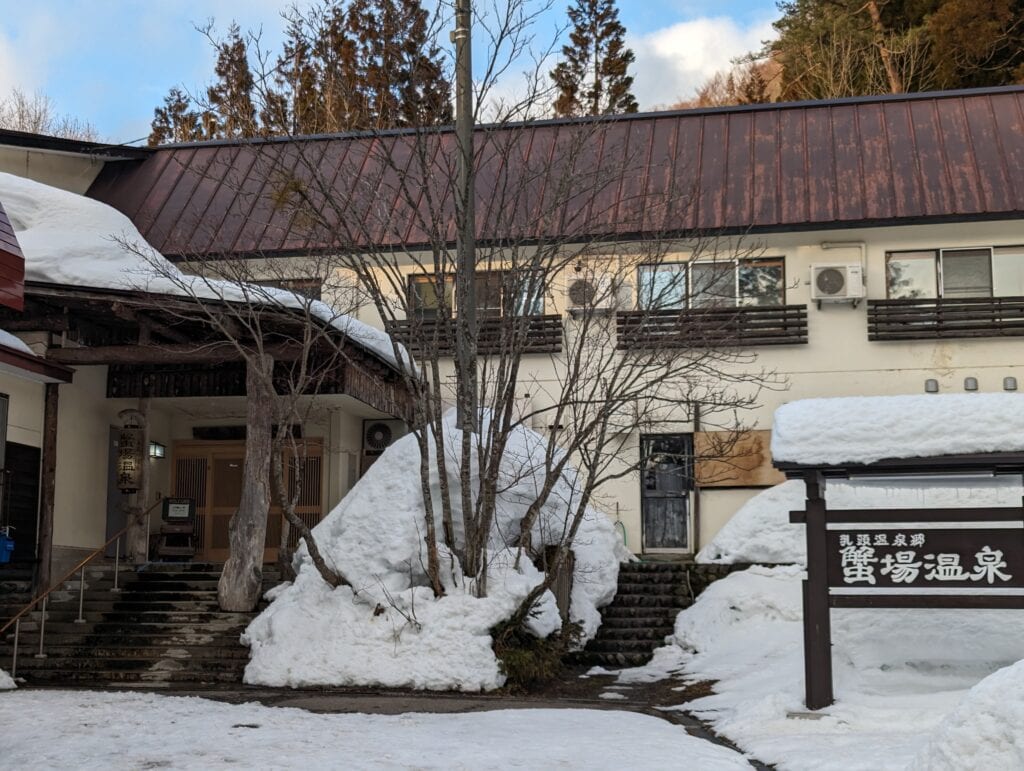
While the entire Nyuto Onsen Village is famed as a secret hot spring (Hitou), Kaniba Onsen offers a particularly deep sense of history and profound stillness. Unlike mainstream guides, we focus on the unique fusion of “healing traditions” and “modern luxury” found only here. This guide details how this secluded spot provides not just healing waters, but a truly luxurious experience featuring exquisite local cuisine and unparalleled quiet, making it an essential stop in the Tohoku region.
2. The Zenith of Snow-Viewing: The Enchanting Night Bath
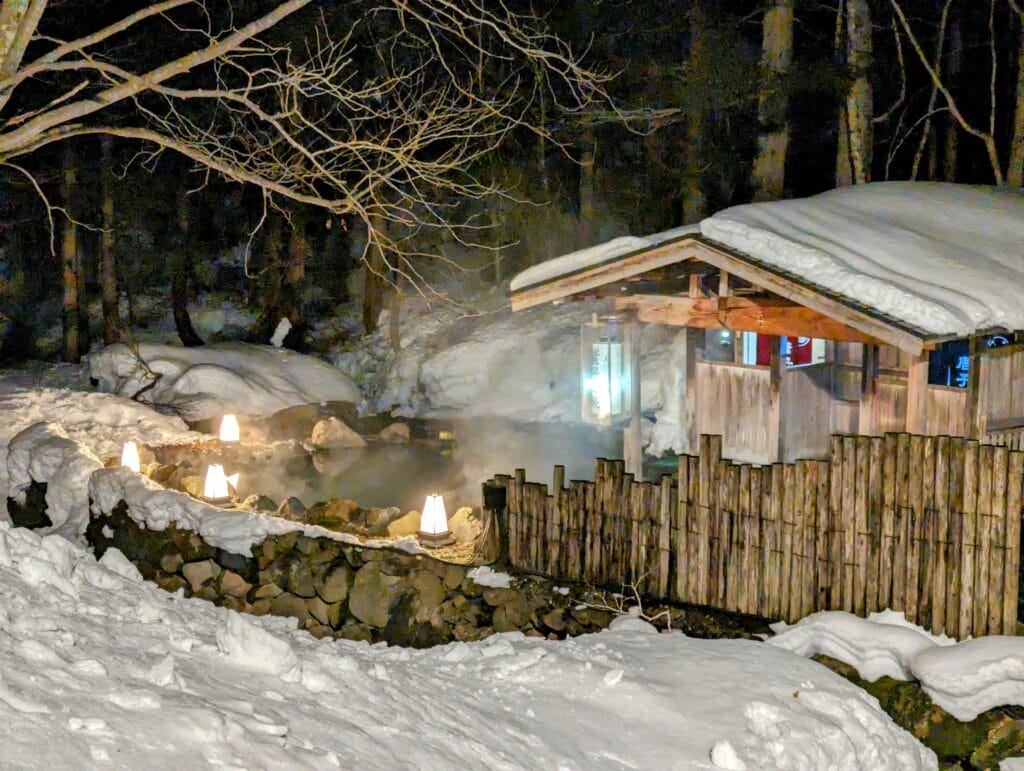
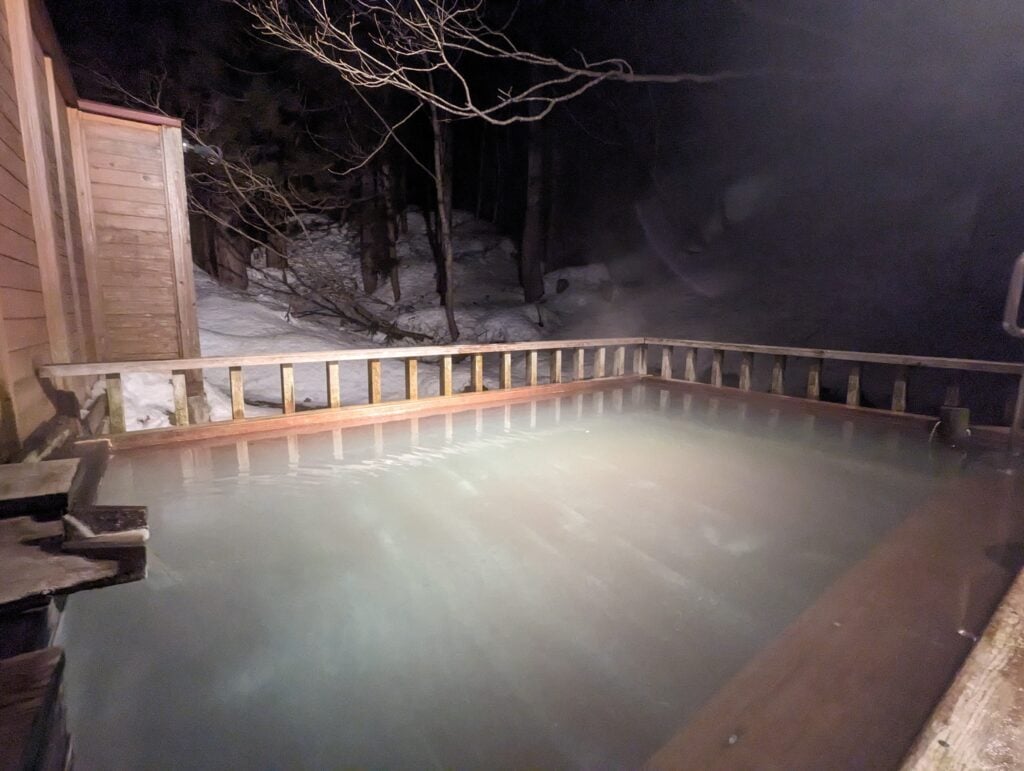
The true magic of Kaniba Onsen is experienced after sunset, especially in winter. The famous open-air bath, surrounded by snow and illuminated solely by traditional lanterns, transforms into a private, enchanting realm. Stepping into the stone bath, you feel the contrast of the freezing air and the therapeutic warmth of the milky water, a quintessential Japanese experience. This is more than bathing; it’s deep meditation in nature’s finest setting.
3. A Gourmet Retreat: Authentic Local Mountain Cuisine
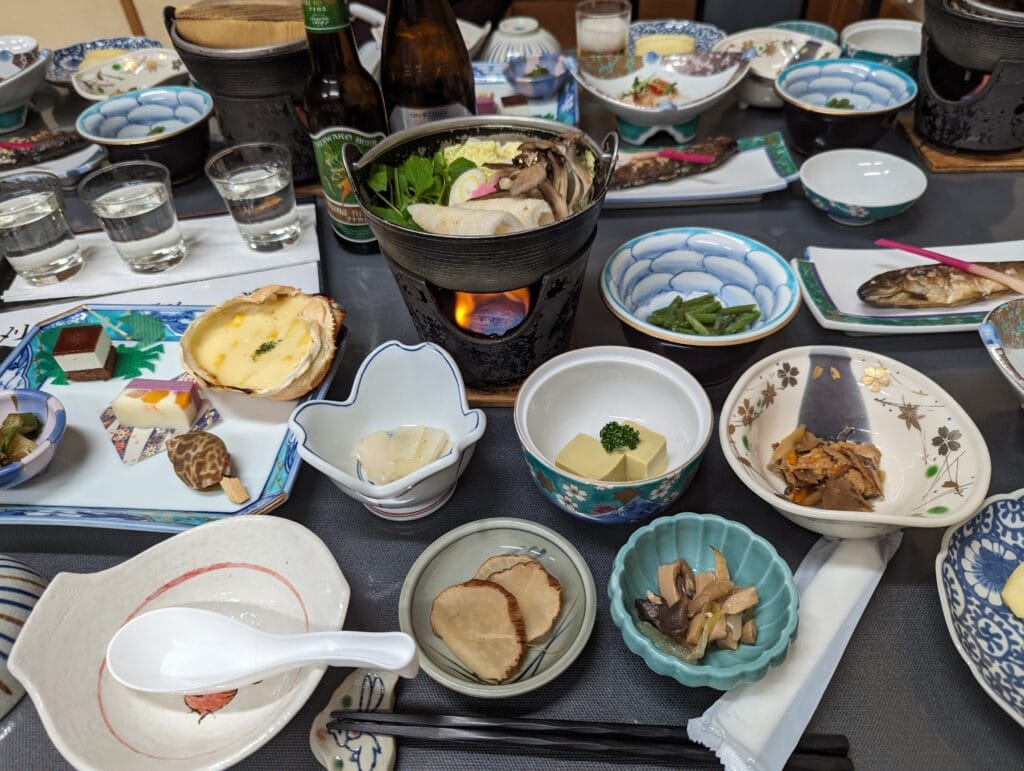
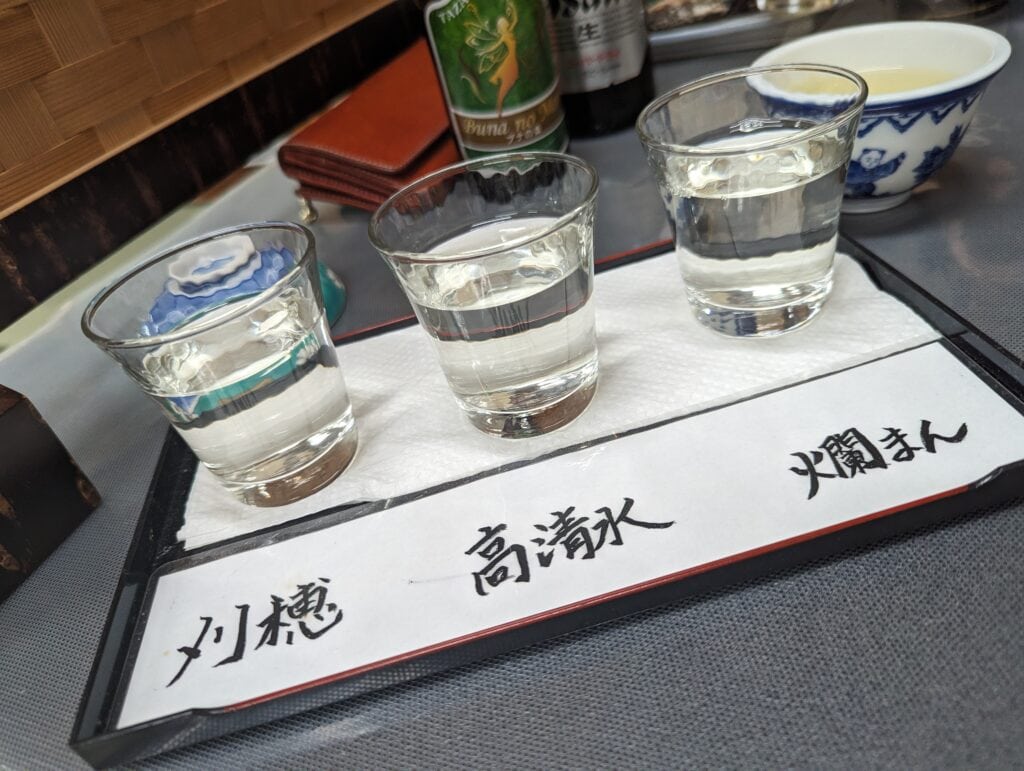
Despite its remote location, Kaniba Onsen surprises guests with an unparalleled dining experience. The cuisine is highlighted by fresh, locally sourced mountain delicacies (Sansai), including the famed Iwana (char) grilled over fire and hearty regional stews. This generous spread, featuring traditional mountain vegetables and river fish, elevates the stay from simple lodging to a genuine cultural retreat. Be sure to sample the local sake flight, including regional specialties like “Kariho,” “Takashimizu,” and “Ranman,” which perfectly complements the mountain feast.
4. Actionable Guide: Conquering the Seven Nyuto Hot Springs Tour
Kaniba Onsen serves as an ideal base for exploring the famous “Nyuto Seven Hot Springs.” We provide a practical guide on maximizing your time using the “Yumeguri-go” bus. Check the current schedule and purchasing logistics for the special Yumeguri Pass, which grants access to all seven unique springs. This actionable information is crucial for maximizing the value of your visit to the region.
5. Summary: Invest in Tranquility and Tradition
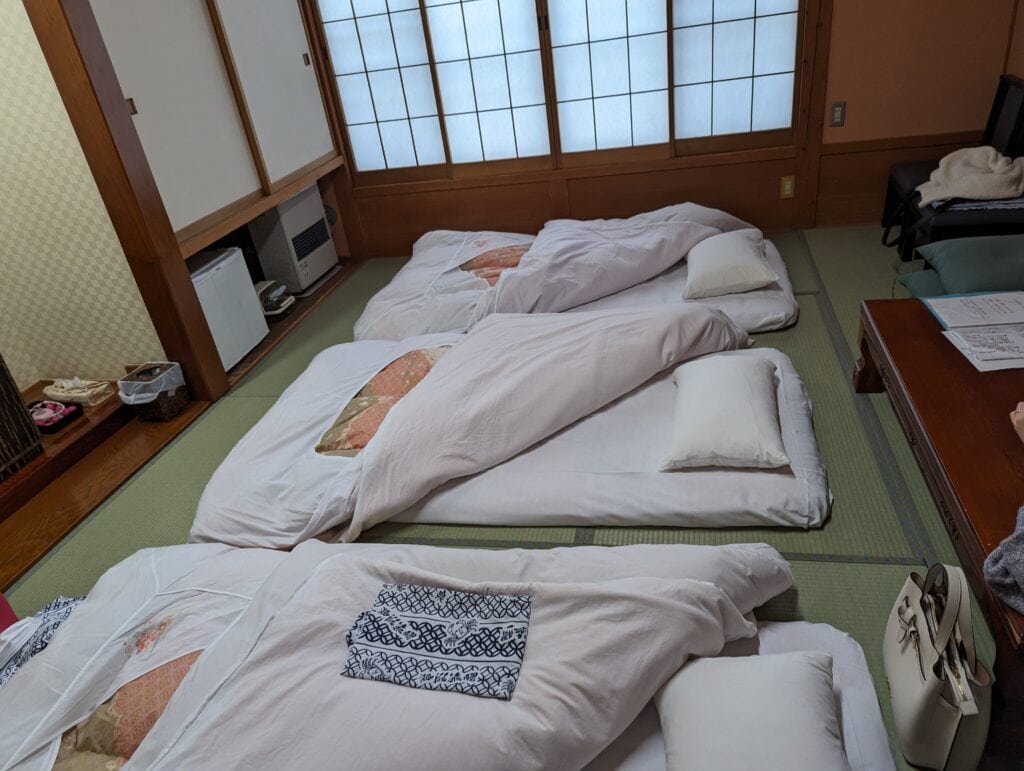
Your experience at Kaniba Onsen is an investment in profound quiet, deep tradition, and luxurious relaxation. Move beyond the tourist routes and secure your space in a classic Japanese tatami room. This is the true, exclusive reward for the discerning traveler.
Welcome to the Unseen Kyoto: An Exclusive Journey.
This Kyoto sightseeing guide is for the discerning traveler who craves access to the deeper philosophies, the private tea rooms, and the profound silence that truly defines Kyoto.
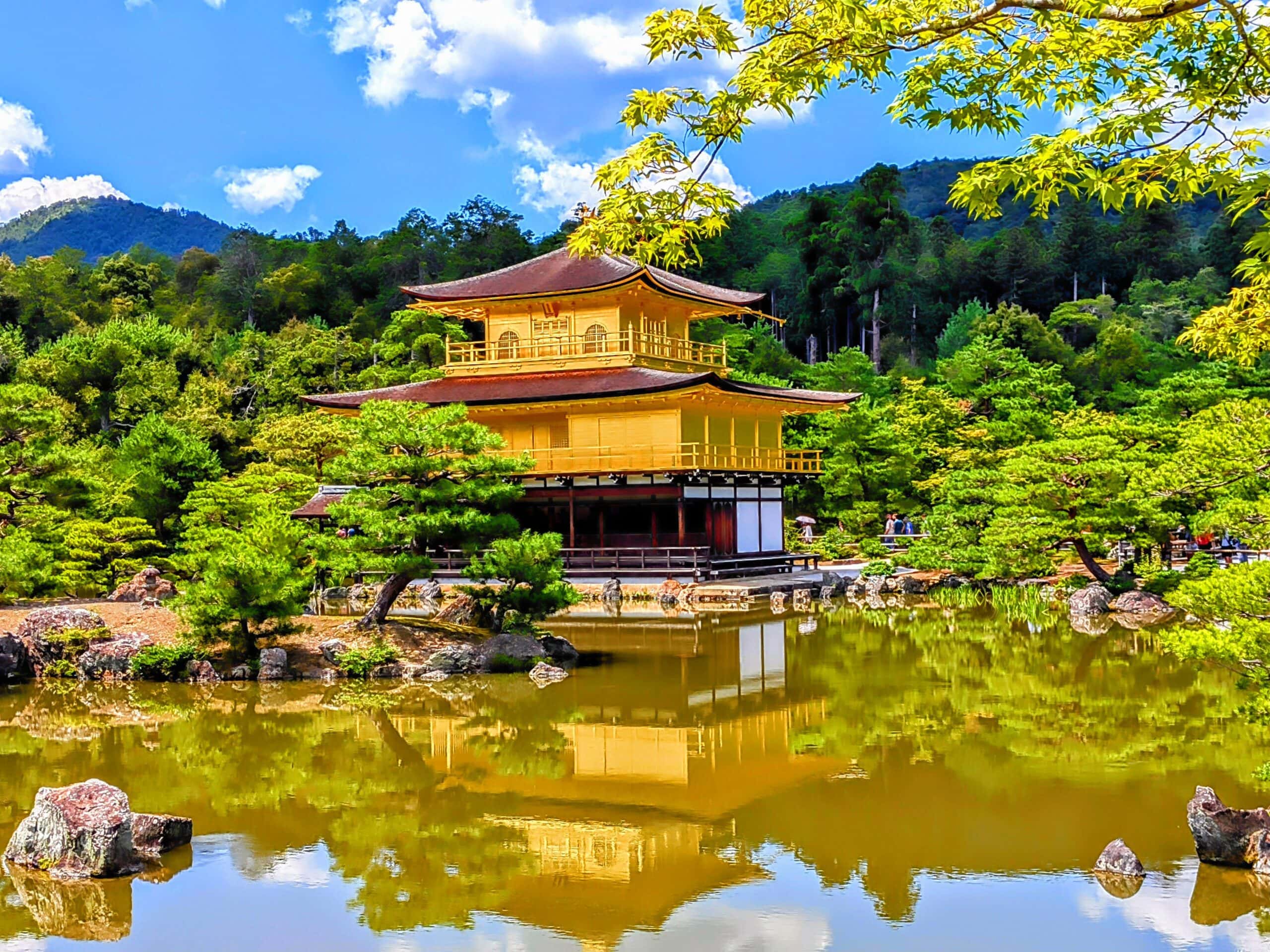
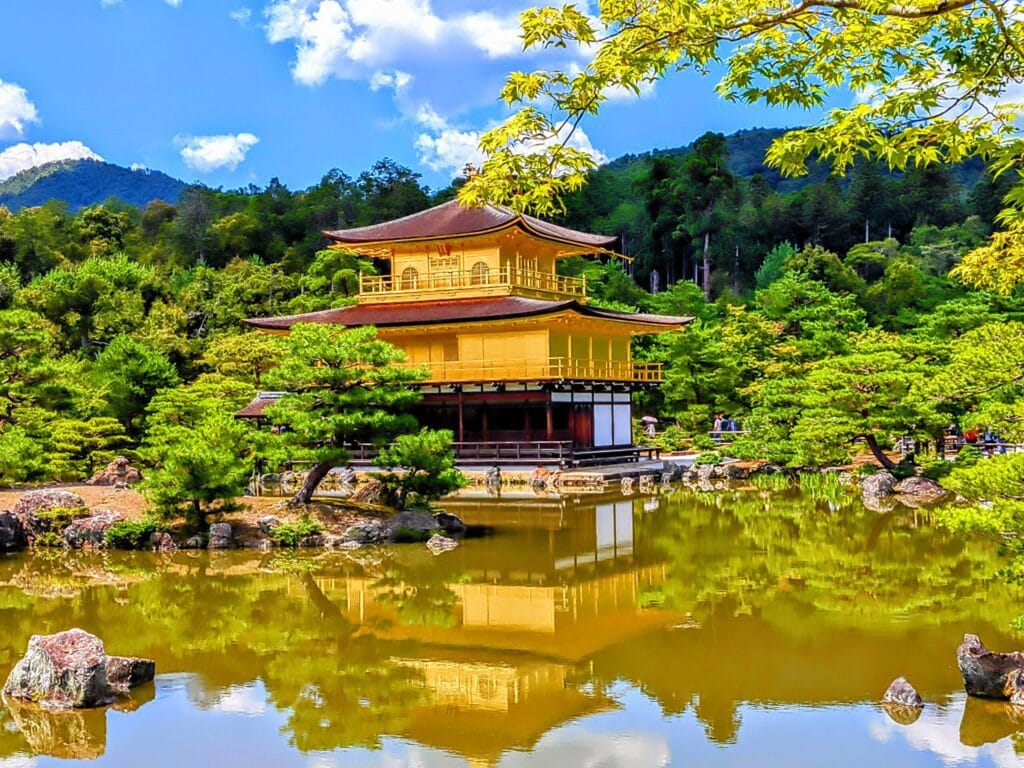
Are you content to admire the Golden Pavilion from a distance, surrounded by crowds? Or do you crave the intellectual reward of true history? Is that enough?
This guide is for the latter.
The Destination is the Stay: Kyoto’s Ultimate Luxury Ryokans
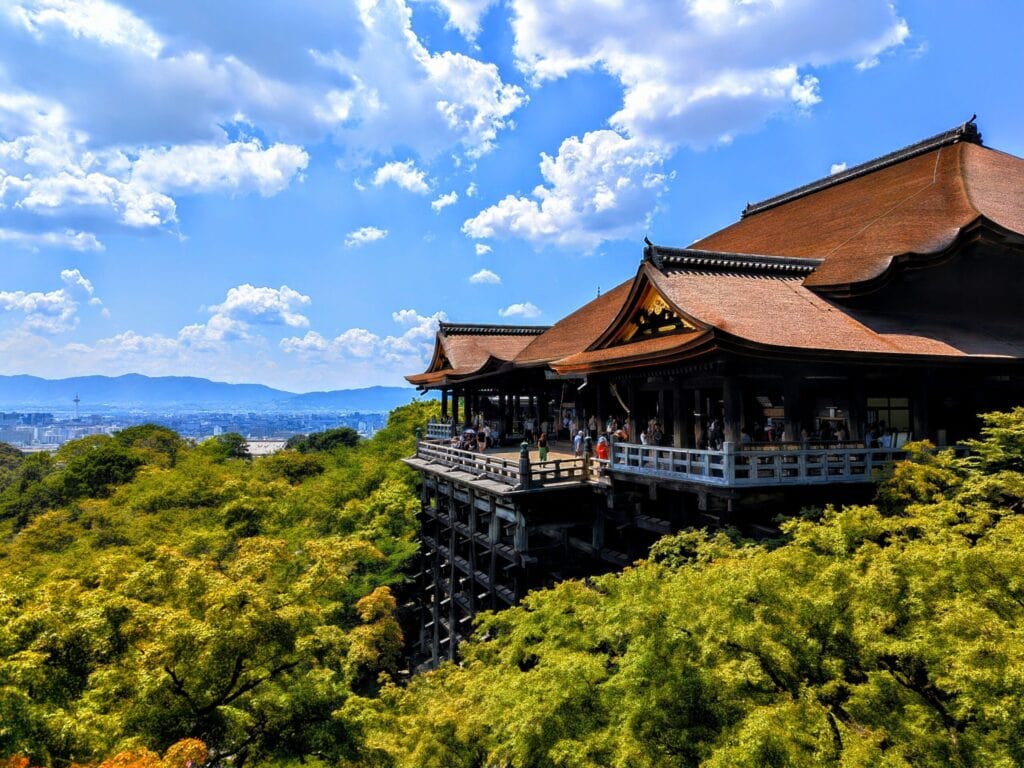
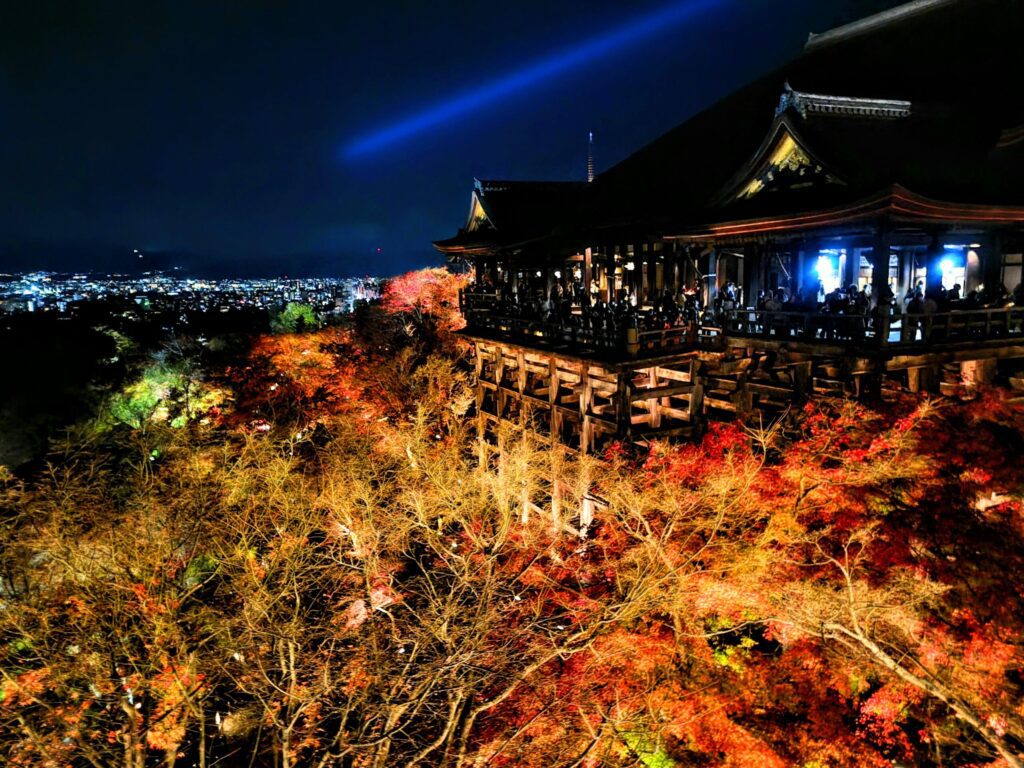
You have seen the iconic view from Kiyomizu-dera. The scene transforms into a magical realm during the evening light-up.
Finding the right elite stay is the most important step in this Kyoto sightseeing guide.**However, true luxury is the ability to fully absorb such contrasting, majestic beauty without the crowds.
Your reservation is for **exclusive access to profound peace, dedicated service, and private moss gardens,** ensuring you experience both the day and night magic of Kyoto in silence.
The Aesthetics of Silence: The Profound Value of Kennin-ji
The Zen of the Dry Garden (枯山水の禅)
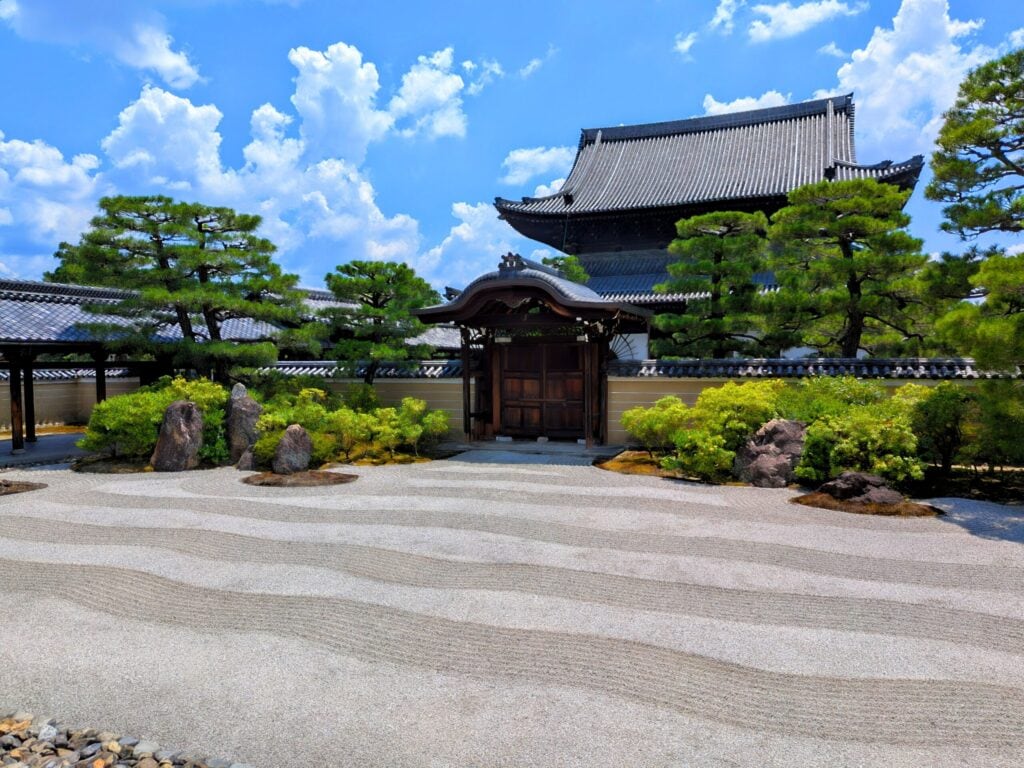
Having escaped the crowds of Gion, you arrive at **Kennin-ji (建仁寺)**, Kyoto’s oldest Zen temple.
This temple is a spiritual and artistic masterpiece, often overlooked by standard Kyoto sightseeing guides.Here, the dry landscape garden (Karesansui) is the visual core of Zen philosophy. Moreover, the true luxury here is the absence of noise and the space for deep contemplation.
**The true luxury here is the absence of noise and the space for deep contemplation.**
This temple is a spiritual and artistic masterpiece, holding the original *Wind and Thunder Gods* screen and the massive **Twin Dragons** ceiling.
The Dragon’s Gaze: The Hidden Art of the Master Craftsmen
Appreciating Happō Nirami no Ryū (八方睨みの龍の鑑賞)
Inside the main hall, you are faced with a spiritual masterpiece: a dramatic ceiling painting of a dragon. This piece, often called “Happō Nirami no Ryū,” represents the profound power of Zen Buddhism and the extraordinary skill of Japanese artisans.
**This deep dive into sacred art and history is the intellectual reward for the discerning traveler.** We guide you to the exact spots and the right timing to fully appreciate the philosophical weight of these masterpieces.
### The Climax of Beauty: Byodo-in Temple and Uji’s Green Gold
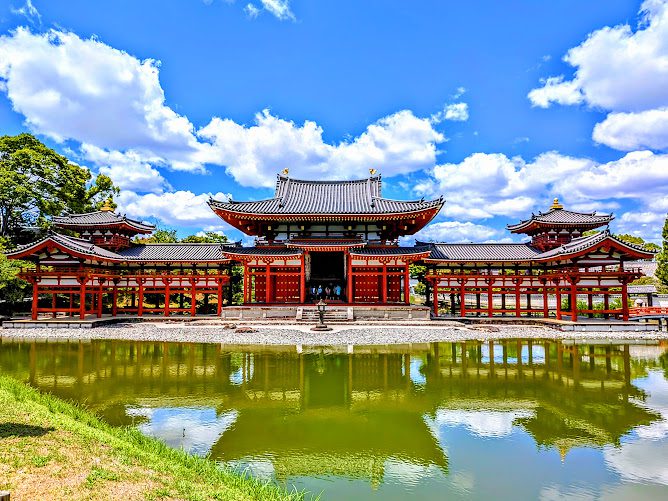
Your journey culminates at Byodo-in Temple, embodying the zenith of Heian-era beauty.
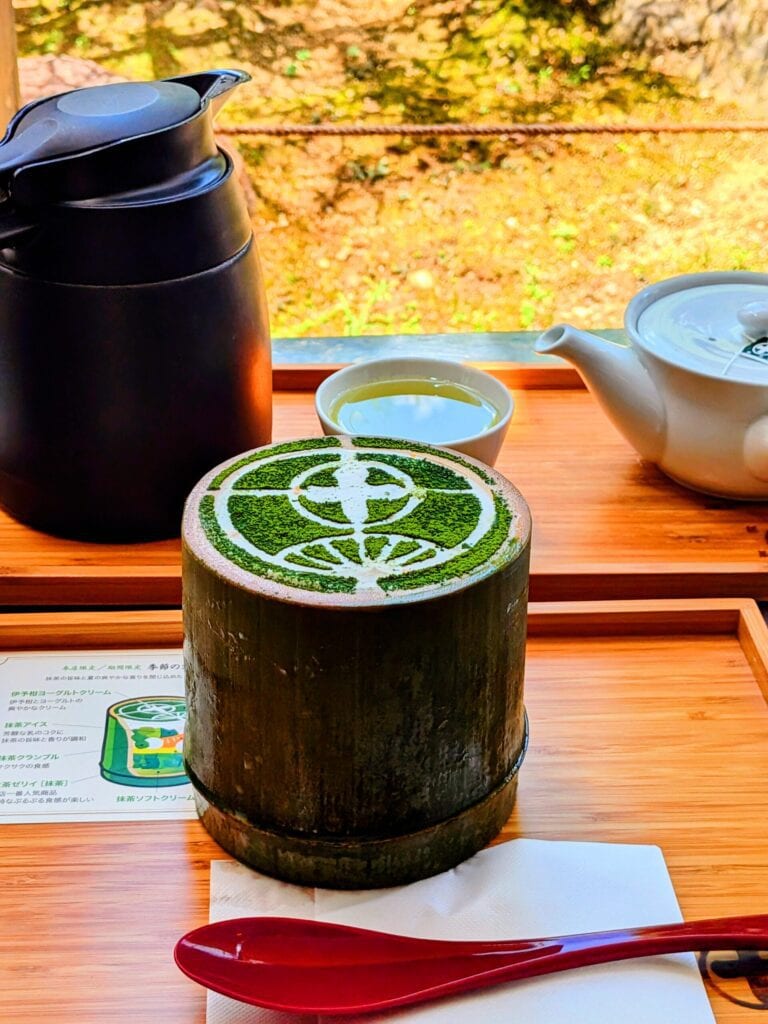
**Uji is the home of Japan’s finest matcha.** Conclude your exclusive journey not just with sightseeing, but with a highly private, reserved experience at a legendary spot like **Nakamura Tokichi Honten**.
Pair this historical beauty with the ultimate refined flavor of Japan, transforming a day trip into a truly profound cultural and culinary investment.
This exclusive guide proves that the true value of Kyoto is not found in the crowded spectacles of the Golden Pavilion or Kiyomizu-dera, but in **the rarity you choose** to experience.
You have the unique opportunity to move beyond the tourist trails and invest in **profound quiet, deep philosophical understanding, and exclusive artistic access.** This itinerary is designed for those who value spending time and money for privacy and true cultural engagement.
Don’t just visit Kyoto—possess its tranquility. Therefore, use this Kyoto sightseeing guide to move beyond the tourist trails and invest in true cultural engagement.
Ginzan Onsen Guide: JR Pass Access & Ryokan Booking Tips
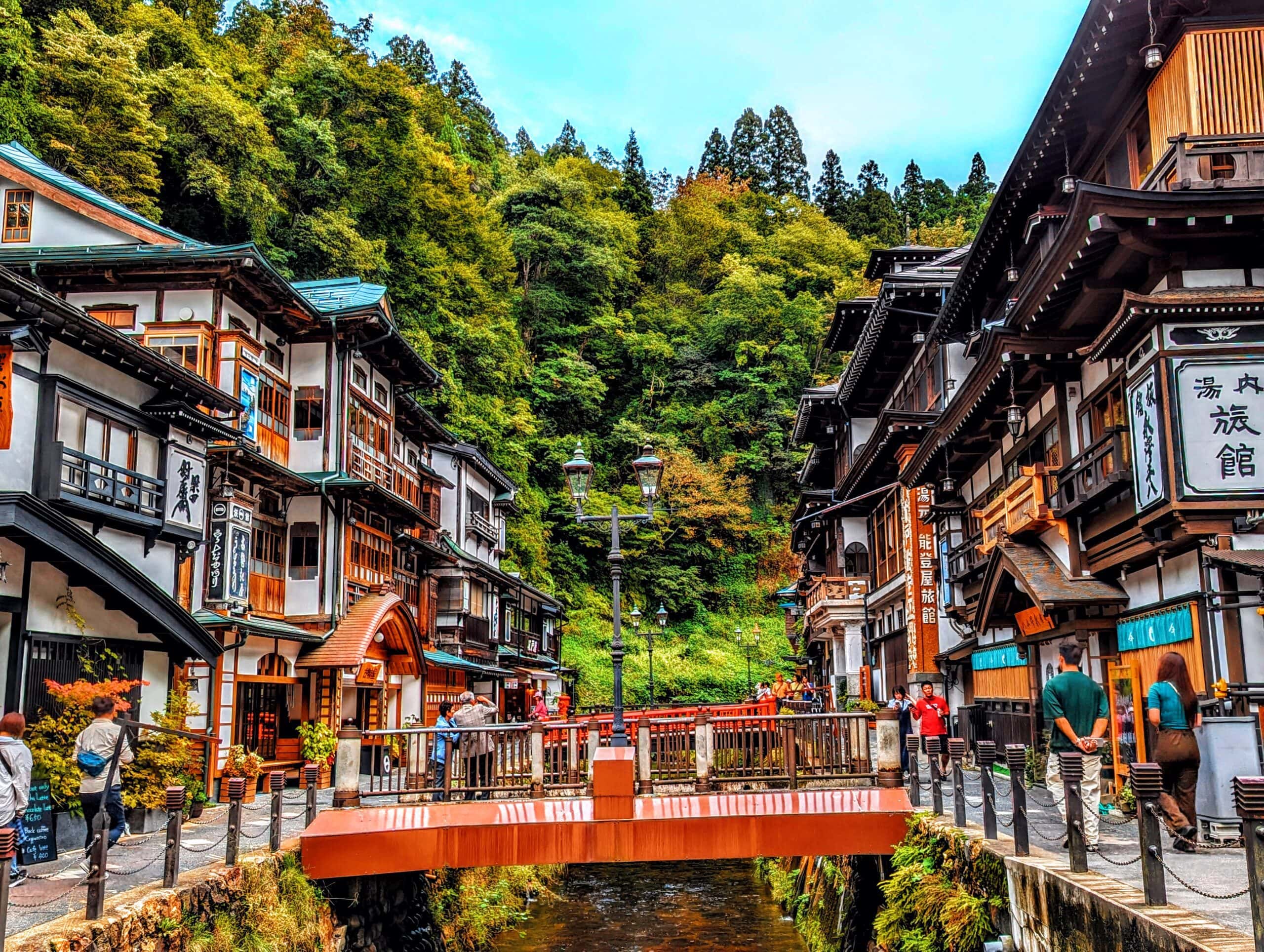
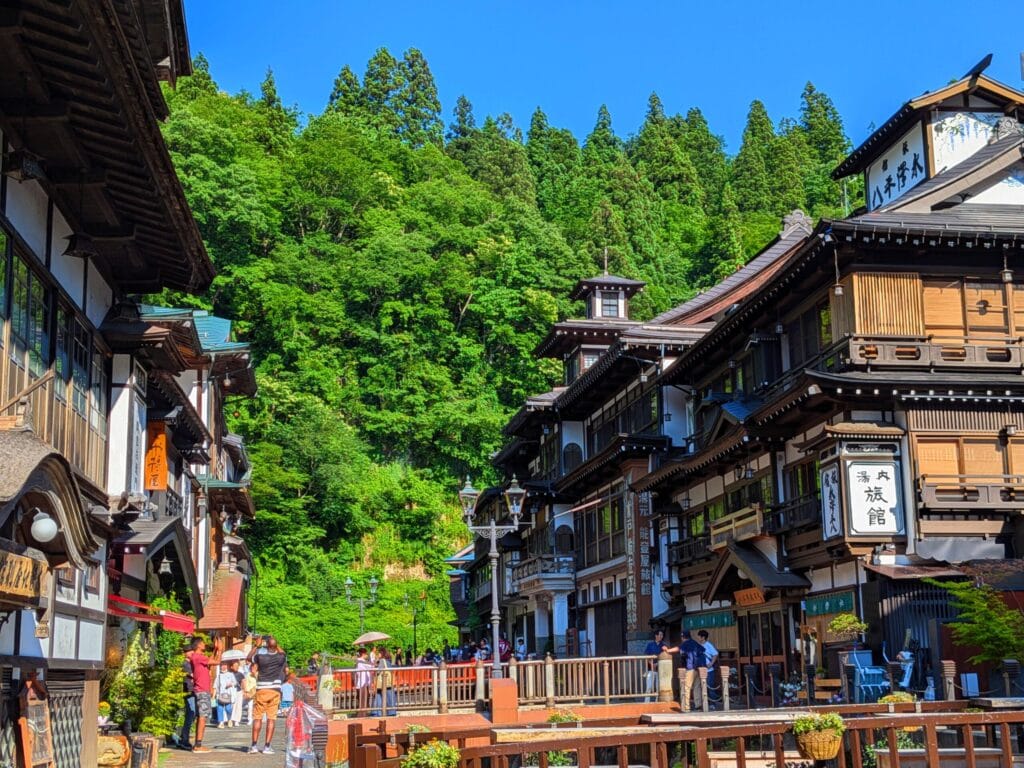
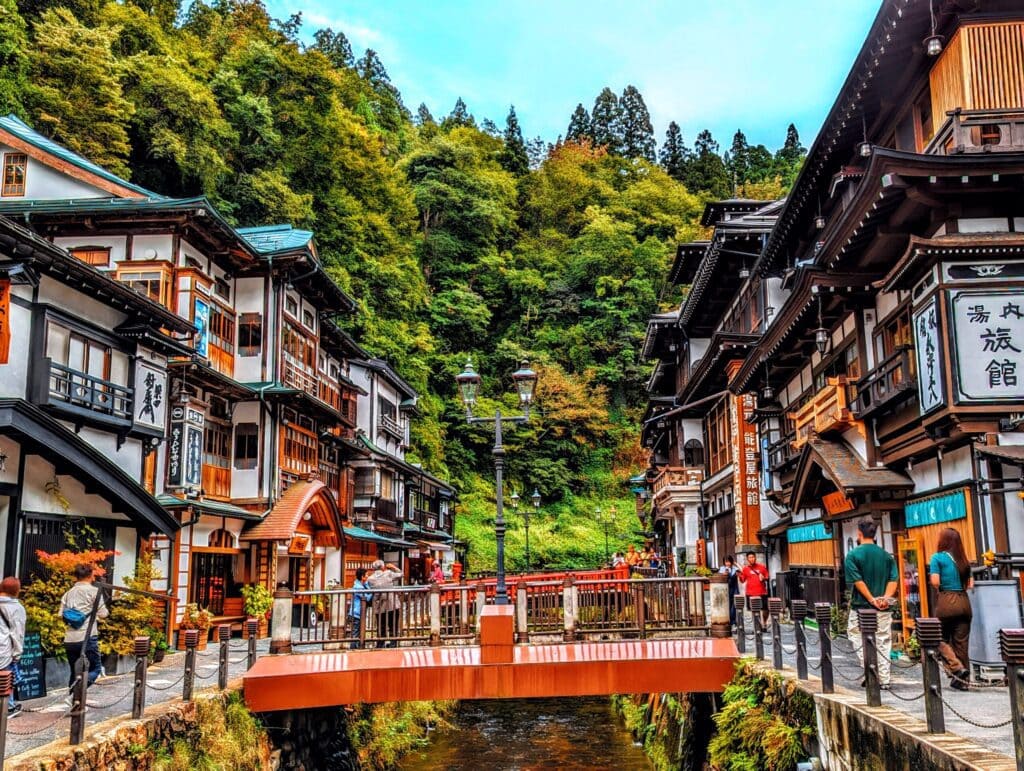
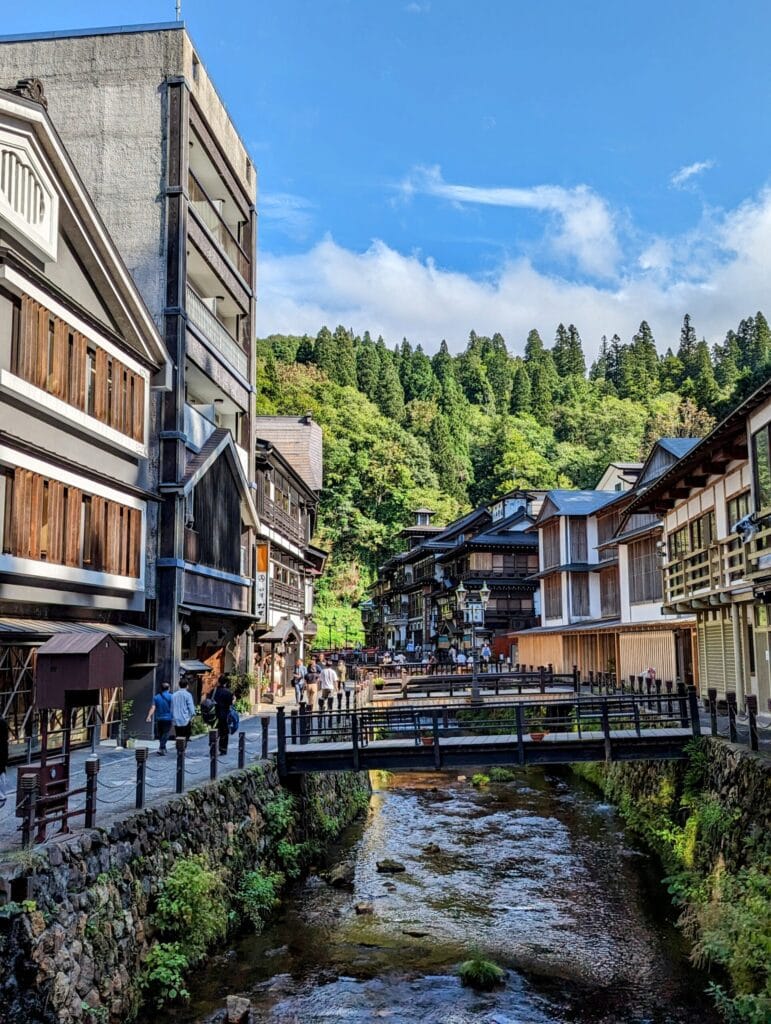
Ginzan Onsen is perhaps the most enchanting hot spring town in Japan. It is nestled deep in the mountains of Yamagata Prefecture.
The village is often cited as a real-life inspiration for the Studio Ghibli classic “Spirited Away,” transporting you directly to the early 20th century. Its main street is lined with beautifully preserved wooden ryokans. However, visiting this popular destination requires careful planning.
This guide provides actionable tips on how to reach Ginzan Onsen efficiently using your JR Pass, and crucially, how to successfully book your perfect Taisho-era escape.
Its main street is lined with beautifully preserved wooden ryokans (traditional inns). These buildings cast a warm glow over the Ginzan River, especially during the quiet, snowy evenings.
However, visiting this popular destination requires careful planning. This guide provides actionable tips on how to reach Ginzan Onsen efficiently from Sendai and Yamadera using your JR Pass, and crucially, how to successfully book your perfect Taisho-era escape.
Access: Utilizing Your JR Pass to Reach Ginzan Onsen
3-1. JR Pass Coverage to Oishida Station
First of all, The efficiency of using your JR Pass for Ginzan Onsen is key to a smooth journey through Yamagata.Ginzan Onsen is remote, but the entire journey to Oishida Station is efficiently covered by the JR Pass, making it excellent value for international travelers. Oishida Station is the gateway to the onsen town.
2-A. Main Route: From Sendai, take the JR Senzan Line to Yamagata Station, and then transfer to the Yamagata Shinkansen or the local Ou Main Line to reach Oishida Station. The total journey takes approximately 1 hour and 30 minutes to 2 hours.
2-B. Secondary Route: From Yamadera If you are coming directly from our recommended stop at Yamadera, take the JR Senzan Line back to Yamagata Station, then transfer to the Ou Main Line northbound to Oishida Station. This route is fully covered by your JR Pass and is ideal for connecting your sightseeing itinerary.
2-C. Final Access: Oishida Station to Ginzan Onsen.Once you arrive at Oishida Station, you have two options for the final 40-minute transfer: The Obanazawa City Bus (check the timetable/booking necessity in advance) or a Taxi (costs approximately ¥7,000–¥9,000, best for groups).
Where to Stay in Ginzan Onsen: The Essential Booking Strategy
3-1. The Challenge of Booking Historic Ryokans
The magic of Ginzan Onsen lies in staying overnight at one of its historic inns, such as the famous Notoya Ryokan. However, the truth is that booking a room is extremely challenging. Given the small number of inns and their immense popularity, particularly for stays during the snowy winter season, many travelers book 6 months to one year in advance.
Therefore, your first step should be to immediately check the availability on a trusted platform.
If you cannot book a weekend, try booking on a weekday, or consider the less competitive autumn or spring seasons. If the onsen town itself is fully booked, stay at a convenient hotel near Oishida Station and enjoy a scenic day trip to Ginzan Onsen.
Highlights: What to See, Do, and Eat
Your visit should be timed to experience the legendary scenery. The most magical time is just after sunset, when the gas lamps lining the river are lit, bathing the wooden ryokans in a warm, sepia glow. This ‘Magic Hour’ typically runs from 4 PM to 6 PM during the winter months.
Don’t miss the chance to wander the riverside, enjoy local snacks like kare pan (curry bread) from the bakeries, and visit the two public bathhouses, which are available for a small fee.The beauty of Ginzan Onsen is truly magical, especially when it snows.
Yamagata Prefecture is also famous for its high-quality soba (buckwheat noodles), and you can find excellent traditional soba restaurants right within the Ginzan Onsen village itself, offering a perfect end to your sightseeing.
Final Tips: Booking Your Journey to Ginzan Onsen
We hope this guide has prepared you for your journey to Ginzan Onsen. The key to a smooth trip is securing your transportation and accommodation first.Securing accommodation in Ginzan Onsen is competitive, so book early! Do not delay, as rooms and trains fill up quickly, especially during the peak snowy season.
Travel Resources
Ready to plan your trip to Ginzan Onsen?
Secure Your JR Pass: [ここにKlookなどのJRパスアフィリエイトリンクを挿入してください]Find Your Perfect Stay in Ginzan Onsen: [https://www.google.com/search?q=%E3%81%93%E3%81%93%E3%81%ABBooking.comまたは希望の宿泊アフィリエイトリンクを挿入してください]View More Tohoku Destinations: https://yusuketraveltales.com/?page_id=103
Otaru is a canal town on Hokkaido’s western coast, shaped by stone, sea, and time. Once a hub of trade and finance, it now rests in quiet beauty—its gaslit streets and curved waterway remembering what once was.
“Twilight rests on the canal, and the gaslight begins to remember.”
The stone building in this photo was once a warehouse, carved with the wealth and pride of merchants. Enriched by herring fisheries and Kitamaebune trade, they built it not only to store cargo, but to display the presence of wealth. The warehouse was more than a storage space—it was a statement of power and trust, built in heavy stone. Today, the warehouses along the canal have been renovated and now house restaurants, cafés, and souvenir shops.
The lamp doesn’t speak, but it remembers.
The canal in this photo is part of Otaru’s historic waterfront, completed in 1923 to support maritime trade. In the 1980s, the city restored the area, adding 63 gas-style lamps along the 1.1 km promenade to revive its nostalgic charm. These lamps, though electric, were designed to resemble those from the Meiji and Taisho eras, casting warm light over the stone warehouses and quiet waters. Today, they illuminate the path for visitors exploring a town once known as the gateway to Hokkaido.
Otaru is also known as the “City of Glass.” Its glass industry began with practical items—oil lamps and fishing floats—during the Meiji era, when electricity was scarce and herring fishing was thriving. Today, the city’s glass museums and workshops showcase delicate craftsmanship, blending tradition with modern design. Visitors can admire hand-blown glass, stained glass from Europe, and even try making their own pieces.
The impressive stone buildings lining the canal, once symbols of the city’s wealth, served as vital storage for herring and other goods. These sturdy structures, built in heavy stone, have been meticulously renovated. Today, the warehouses along the canal have been transformed into lively destinations, housing unique restaurants, cozy cafes, and distinctive souvenir shops, maintaining their historical facade while embracing modern commerce.
The romantic atmosphere of Otaru culminates near the Meruhen Intersection (Fairy Tale Intersection), home to the famous Otaru Music Box Museum. Here, visitors can explore a vast collection of intricate music boxes, from antique pieces to modern designs, often accompanied by the enchanting sound of the steam clock outside. The area is also famous for its delicious local sweets and cafes housed in beautifully preserved buildings.
Finaly, we provide essential information for planning your visit. Otaru is easily accessible from Sapporo by a scenic 40-minute JR train ride. This route is fully covered by your JR Pass, making it a perfect day trip or a base for exploring Hokkaido. Before securing your lodging, be sure to confirm the pass covers your entire itinerary! While Otaru has plenty of hotels, we recommend checking accommodation availability near Otaru Station in advance, especially during peak season.
Secure Your JR Pass Now and explore all of Hokkaido! (JR Pass is essential for the scenic ride.) [ここにKlookなどのJRパスアフィリエイトリンクを挿入してください]
Find Your Perfect Stay in Otaru (Check prices and availability instantly!) [https://www.google.com/search?q=%E3%81%93%E3%81%93%E3%81%ABBooking.comまたは希望の宿泊アフィリエイトリンクを挿入してください]
Traveling beyond Hokkaido? If you are heading to the Tohoku region next, do not miss the enchanting, snowy onsen town often called the inspiration for Spirited Away! (Read: Ginzan Onsen Guide)`
Yamadera: The Most Iconic Cliffside Temple in Japan
Discover one of Japan’s most spectacular and unforgettable sights: Yamadera Temple. Famous for its 1000 stone steps leading to an iconic cliffside viewpoint, Yamadera is a must-see destination in the Yamagata Prefecture.
I have just completed the climb myself! Read my firsthand tips on getting the absolute best view and making your day trip unforgettable.
How to Get to Yamadera Temple (Access Guide)
Yamadera is easily reached by train from two major cities: Sendai and Yamagata. The most common route for foreign travelers is the day trip from Sendai City.
From Sendai: Take the JR Senzan Line directly to Yamadera Station. The journey takes approximately 50-60 minutes and costs around ¥860.
Is the JR Pass a Good Deal for Yamadera?
While the train fare from Sendai is cheap, the JR Pass becomes an excellent investment if your itinerary includes other destinations like Sapporo (Hokkaido), Tokyo, or other cities in the Tohoku Region. It is generally the best option for multi-city travelers.
[INSERT JR PASS AFFILIATE BANNER/LINK HERE]
The Climb: Yamadera’s 1000 Stone Steps
The main event at Yamadera is the climb to the top. From the station, follow the signs to the base of the mountain. You will need to pay an entry fee of ¥500 before starting the stone steps.
The 1000 steps might sound intimidating, but they are well-maintained and the journey is beautiful. This climb is historically considered a path of ascetic training (Shugyo), where each step helps cleanse your spirit. It took me approximately 40 minutes to reach the top at a relaxed pace. Remember to wear comfortable shoes! Along the way, you will pass many smaller temples and serene forests—it truly feels like a spiritual journey.
The entrance area of Yamadera Temple, starting your journey to the 1000 steps.
The main entrance gate where you pay the admission fee before starting the climb.
The Ultimate Reward: Godaido Hall (五大堂)
Looking up at the Godaido Hall, showcasing its precarious cliffside construction.
The platform known as Godaido (Five Great Halls) is the ultimate reward for conquering the 1000 steps. This iconic wooden stage is built out over the cliff, offering the most famous panoramic view of the surrounding mountains and the town below.
Inside Godaido Hall: the wooden platform where visitors take photos of the iconic view.
This is the exact spot where you can take the incredible photo you saw at the top of this article! If you visit during the autumn (late October/early November), the view is especially breathtaking due to the vibrant fall foliage.
Where to Stay: Hotels Near Yamadera
While Yamadera is often visited as a day trip from Sendai, staying overnight in Yamagata City or a local onsen (hot spring resort) offers a deeper experience. Yamagata City (one stop away from Yamadera) provides the best range of international hotels and restaurants.
We recommend searching for highly-rated hotels in Yamagata City for the best balance of convenience and dining.
[INSERT HOTEL AFFILIATE LINK/WIDGET HERE]
For a unique experience, consider staying at a nearby onsen town like Tendo Onsen (天童温泉), which is known for its excellent traditional inns (ryokan).
Practical Guide: Tips for Visiting Yamadera
For planning your day trip, here are the essential details
Opening Hours (登拝時間): Usually 8:00 AM – 5:00 PM. (Note: These hours can be slightly shorter in the winter months.)
Conclusion: Was the Climb Worth It?
Absolutely. The climb up Yamadera’s 1000 stone steps is not just a hike; it’s a journey that perfectly rewards your effort with one of the most magnificent cliffside views in all of Japan. Whether you seek spiritual serenity or breathtaking autumn colors, Yamadera delivers an unforgettable experience.
Ready to plan your trip? Remember to use the $\text{JR Pass}$ if you are exploring the wider Tohoku and Hokkaido region, and book your highly-rated hotel in Yamagata City now for the best selection!
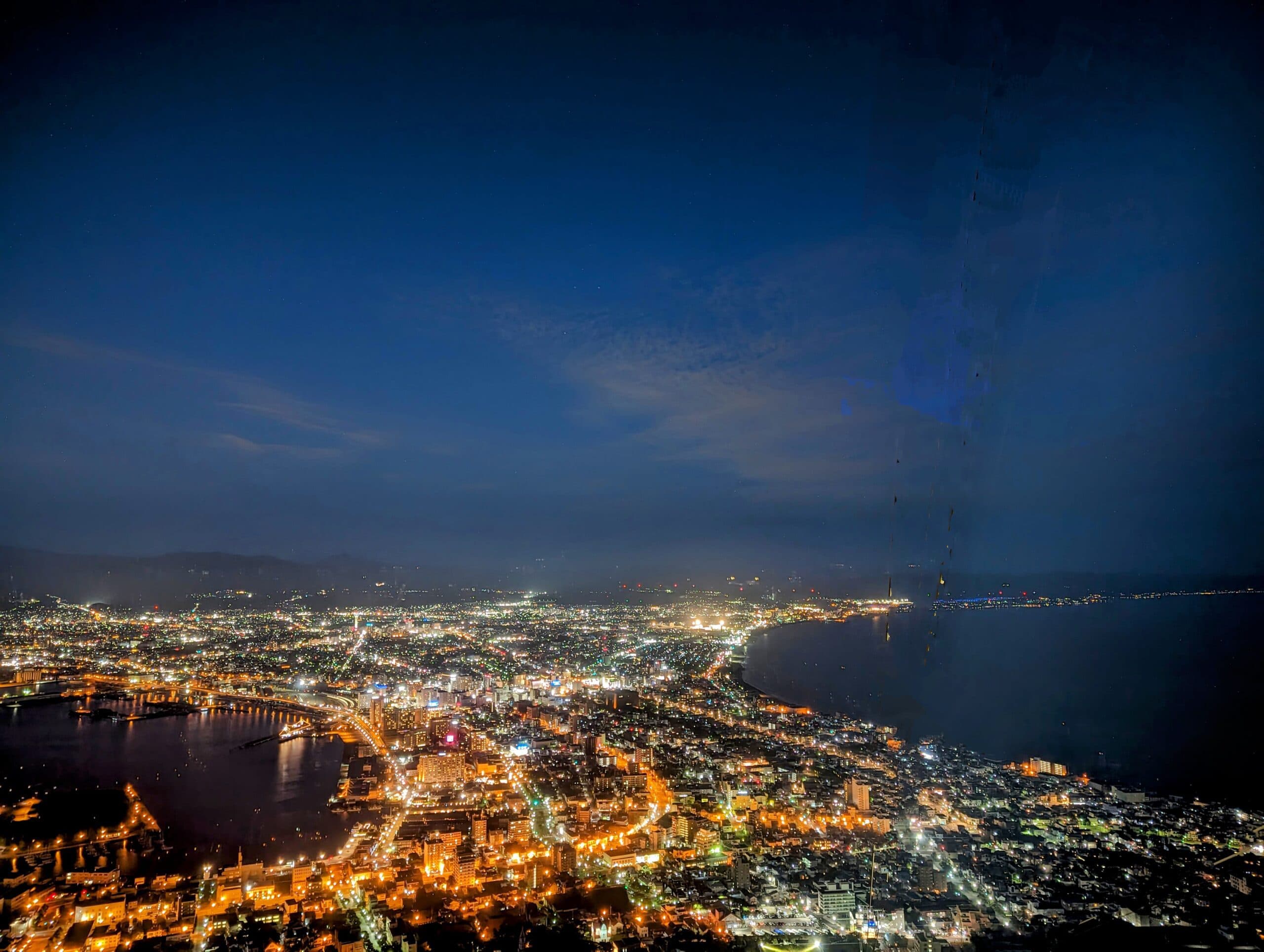
To stand on the summit of Hakodateyama is to witness a globally recognized spectacle—a visual statement that captures the essence of this historic port. Yet, the city’s unique charm extends far beyond this famous view. Hakodate is defined by the profound relationship between its varied scenery, its history of international exchange, and a culture centered on the honest bounty of the sea. Join me as we look past the initial wonder of the lights to explore the true, multifaceted depth that makes Hakodate an unforgettable destination.
1. The Jewel of the Night: Hakodate’s Iconic Embrace of Light and Land
One of the World’s Three Great Night Views: The city’s unique, narrow curve is framed by the darkness of the surrounding seas, creating a jewel-like tapestry of light.
Hakodate viewed during the day. The unique topography, embraced by the seas on both sides, presents a powerful and majestic scene different from the night.
1-1. A Million Lights, Traced by the Slopes
The view from Hakodateyama is breathtaking because of its unique geography: the city is tightly framed between the two bays, emphasizing the density of the lights. Yet, look closer. The brilliance you see is composed of thousands of lights that trace the city’s structure. You can almost feel the presence of the slopes descending towards the sea, like the famous Hachiman-zaka. These lights are not a flat tapestry; they follow the contours of the land, each one marking a home, a business, or a lamp post on a gentle hill. This sense of depth and movement gives the night view its unmatched character—a visual testament to the people who built their lives on these beautiful, inclined streets. Seeing the landscape in the daytime allows you to truly feel the power of the topography that shapes this city and the grand scale on which people live.
2. A Star Embedded in the Earth: The Unmistakable Scale of Goryokaku
A unique structure viewed from above; the star-shaped fortress of Goryokaku, a powerful reminder of Japan’s transition into the modern era.
2-1. Viewing History from Above: The Form That Tells a Story
Moving from the lights of the mountain, our journey takes us to another unique vantage point: the iconic star-shape of Goryokaku. From the ground, it appears as an expansive, quiet park. To truly grasp its scale and geometric beauty, however, you must gain altitude. This is where the nearby Goryokaku Tower becomes essential. Ascending the tower reveals that this form is not merely a design; it is a profound historical statement, representing one of Japan’s first attempts at Western-style military architecture. Standing above it, you sense the echoes of the Meiji Restoration—a turbulent time of change, symbolized by this perfectly shaped star. Beyond the history, the tower grants you a panoramic view of the fortress’s profound annual transition: from the intense pink of spring cherries to the deep green of summer (as seen in this photo), the rich reds of autumn leaves, and the clean white snow mantle of winter. This beautiful annual cycle highlights how seamlessly history is preserved within the daily life and landscape of Hakodate.
Cheers with a funamori (boat platter) unique to the port city. Fresh seafood and cold local beer elevate the joy of the journey.
Scallops, shrimp, and various seafood, both raw and fried. A full experience of the ocean’s bounty prepared locally.
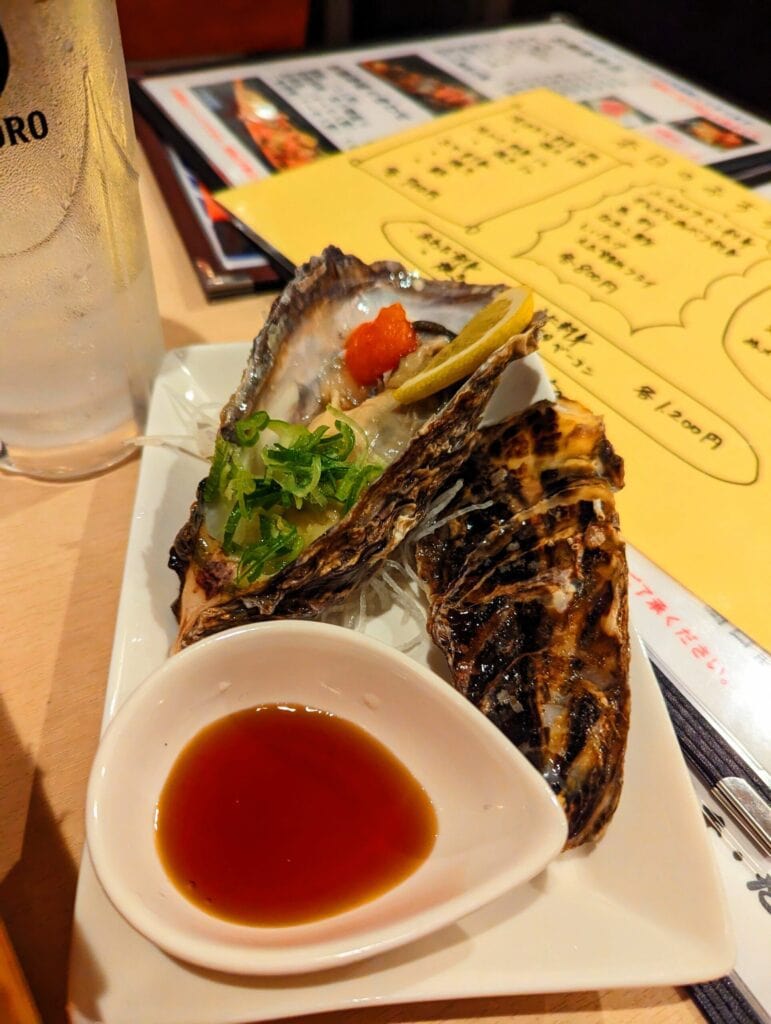
Oysters nurtured by the cold sea. Their simple, rich flavor is the “honesty” of the ocean’s bounty.
3-1. A Taste of the Ocean: The Unmistakable Freshness of a Port City
In Hakodate, the sea is not just a beautiful backdrop for a night view or a geographical feature for a historic fort; it is the foundation of the local life and its unique culinary identity. After exploring the city’s sights, the final, most satisfying part of the journey is finding a meal that reflects this abundance. Look for the restaurants that celebrate the unmistakable freshness that only a working port city can offer. The quality of the seafood here is exceptional, and the great thing is that you can experience it in many ways. Whether you prefer the simplicity of fresh catch, or the comforting warmth of grilled and cooked dishes, the local preparation methods showcase the ingredients’ purity. Sharing this simple, honest food is the most immediate way to connect with the land and the people who harvest its generous bounty. This is the true warmth of Hakodate: a deep gratitude for the pure flavors served on your plate.
4. The Final View: Carrying Hakodate’s Light and Warmth with You
Hakodate is a city that offers not just one, but many distinct and unforgettable views. Whether you are captivated by the magnificent curve of the night skyline, humbled by the immense star shape of Goryokaku, or warmed by the honesty of a freshly prepared local meal, the city leaves an indelible mark on your soul. The essence of Hakodate is found in this unique blend: a city that honors its history while embracing the endless bounty of its ocean. I hope your own journey will allow you to feel this deep connection, leaving you with a sense of peace and a memory filled with light and flavor.
Planning Your Stay in Hakodate
Whether you’re exploring the historic Goryokaku, watching the sunrise from Mount Hakodate, or enjoying the morning market, staying close to the JR Station is highly recommended for easy access.
Find Your Perfect Stay in Hakodate (Check prices and availability instantly!) [ここに$\text{Booking.com}$または希望の宿泊アフィリエイトリンクを挿入してください]
Continuing your Hokkaido adventure? After experiencing the vibrant night life of Hakodate, the perfect next stop is the charming canal town of Otaru, easily accessible by $\text{JR}$ train.
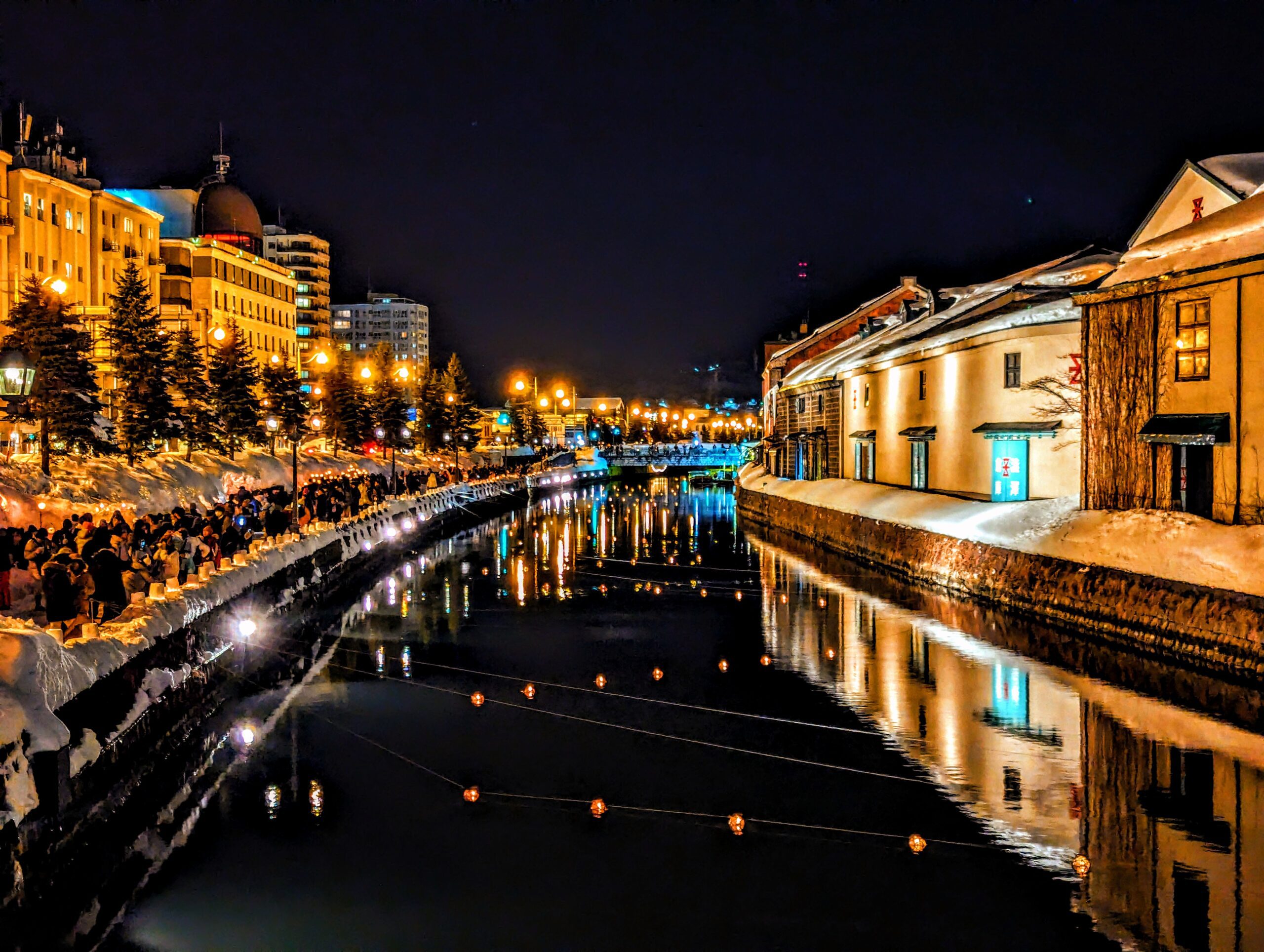
Step into a scene of unique, annual magic. Otaru in February is transformed for the Snow Light Path Festival, offering a visual feast unlike any other. Here, for a limited time, the soft blanket of snow, the antique gas lamps lining the canal, and the glow of countless lanterns meet in perfect harmony. This exquisite blend of elements creates a truly unforgettable, romantic atmosphere—a special memory you can only witness here, once a year.
The signature view of the Otaru Canal during the festival: a perfect harmony of snow, historic architecture, and the annual warm illumination.
The Magic is Fleeting: Embracing Otaru’s Annual Light Harmony
The Intimate Glow: Why This Illumination is More Than Just a Festival
You have seen the breathtaking scene—but what makes it truly special is the story behind the light. Unlike large, commercial snow events, the Otaru Snow Light Path Festival offers a different, more personal connection to the city’s history. It is a heartfelt effort by local residents and volunteers who light thousands of small, hand-made snow lanterns (known as Yuki Akari).This is not about towering statues; it is about the soft, human-scale glow that beautifully highlights the city’s Meiji and Taishō-era architecture. The true magic lies in the harmony: the warm, golden light of the old gas lamps meets the gentle, natural luminescence of the fresh snow. This blend of light and history is a visual poetry that defines Otaru’s winter romance
A quiet, ephemeral spectacle: flowers frozen within ice blocks, illuminated from below to create a unique blend of warmth and cold.
Handcrafted glass cups rest delicately on natural branches, symbolizing the fusion of nature and local dedication.
These small, personalized lights—the true Yuki Akari—are a heartfelt effort by the community to connect past and present.
The beauty lies in the intricate details of these handcrafted lights, from the simple glass cups resting on snow to the artistry of flowers frozen within blocks of ice. They transform the entire city into a vast, temporary gallery of personalized light. This is not about towering statues; it is about the soft, human-scale glow that beautifully highlights the city’s Meiji and Taishō-era architecture. The true magic lies in the harmony: the warm, golden light of the old gas lamps meets the gentle, natural luminescence of the fresh snow. This blend of light and history is a visual poetry that defines Otaru’s winter romance.
The Echo of History: Where Your Journey Meets Otaru’s Past
The historic brick warehouses and the snow-covered paths, capturing the deep connection between the city’s past and the quiet experience of the modern traveler.
The Deepest Connection: Light Woven by Human Hands
The feeling of calm here is a sincere gift from the people who live here. The beauty of the festival is not about grand scale, but the human warmth woven into every handcrafted lantern. As a traveler, you stand in this beauty and feel an immense gratitude for the traditions that continue to warm this snowy city. This profound, shared feeling of warmth is the true glow of Otaru’s winter. It settles deep within you, bringing genuine peace despite the lively atmosphere around you.
Finding Calm Amidst the Winter’s Warm Glow
The Art of Light: Connecting Through Glass and Craft
That sense of connection extends from the paths into the workshops. Otaru’s long history with glass—once essential for fishing lamps—is a living tradition. When you visit the workshops, shift your focus from shopping to the act of creation. Observing the intense concentration of a craftsperson shaping delicate works is a powerful, quiet moment. It links you directly to the city’s heritage in a way a postcard never could.
Local Rhythms: Simple Meals and Inner Peace
Finally, look for the deep comfort found in local cuisine. I encourage you to seek out the small, family-run shokudō (local eateries) away from the main tourist streets. Sharing a simple, hearty winter meal in these settings—dishes prepared for neighbors, not travelers—is the most intimate cultural exchange. It is an honest, personal peace that provides the perfect ending to a reflective winter day.
Your Own Journey into Otaru’s Gentle Soul
Otaru’s winter is not just a beautiful sight for a camera; it is a profound experience for the soul. The romance is found not in grand gestures, but in the sincerity of the handcrafted lights, the echo of history in the quiet side streets, and the enduring rhythm of a community committed to its traditions. I hope your own journey through the snow-lined streets, guided by a slow pace and an open heart, will lead you to this same sense of deep connection and quiet peace that defines the true heart of Otaru.